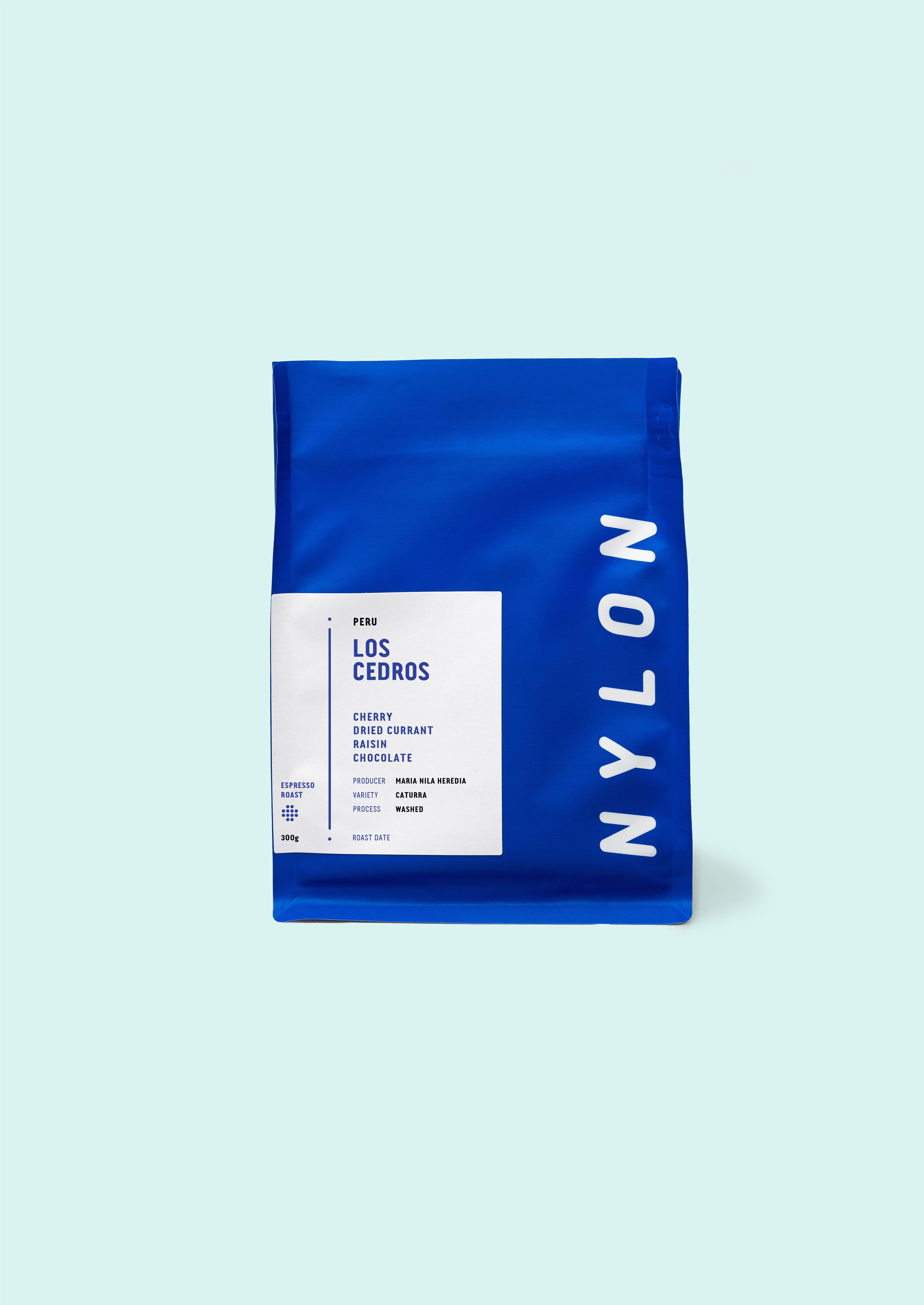
Maria Nila Heredia is a first generation coffee farmer, who along with her husband and two sons manage this 3ha farm. Maria Nila and her husband, Rey, spent most of their youth travelling around Jaen and San Ignacio working in farms and buying small plots of land wherever they went to plant vegetables and living off of their production. Until they were in their 30s the pair were vegetable farmers, which they sold in the markets in Jaen, but after saving up enough money to buy a larger plot of land they decided to plant coffee, which was more investment but they saw it as a more profitable crop and stable life at the time. Maria Nila was one of the first people to populate the El Paraiso village and she was able to buy a relatively large plot of land, which is now divided between the family members. Aside from coffee, this farm is planted with plantain, banana, guaba (inga, a native nitrogen fixing fruit tree), lucuma (Peruvian fruit, like a sweet avocado) and cedars (hence the name, los cedros)
After harvest, the fresh coffee cherry is rinsed clean of dirt and floated to remove lower quality beans. Once clean and sorted, the cherry is pulped the same day it was picked. The pulped cherry is placed in tiled fermentation tanks where it ferments for one day and two nights, or around 36 hours. After fermentation is complete the coffee is washed twice in fresh spring water to remove the mucilage.
Maria recently invested in new parabolic dryers, along with her sons, who are also growers of high quality coffee and they decided to invest in drying infrastructure in order to improve the quality and longevity of their coffee. After fermentation the coffee is pre-dried in the sun for a couple of hours to remove excess water before being placed on raised beds inside a parabolic dryer where it dries for 15 days.