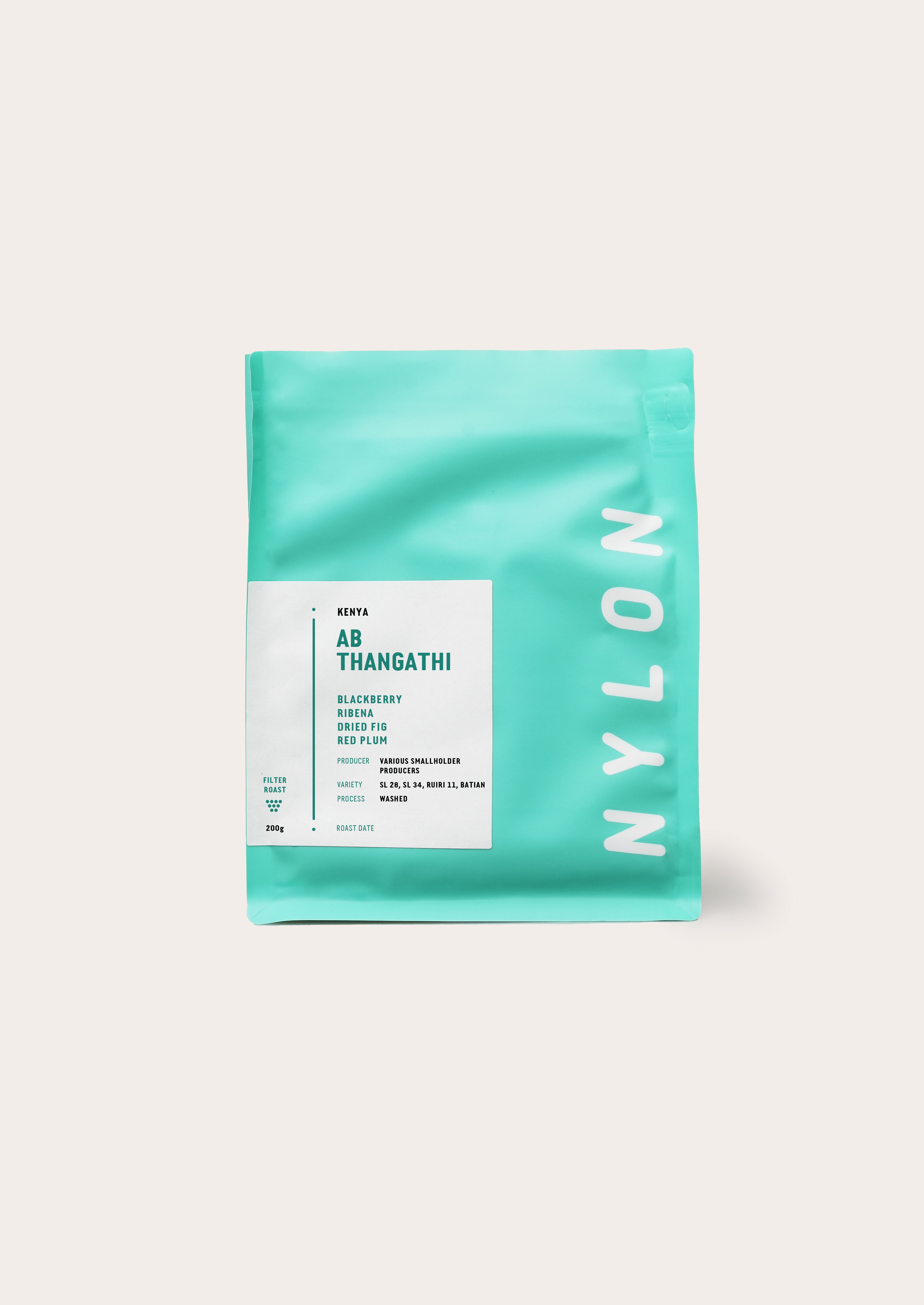
Thangathi Coffee Factory is located in Thangathi, Nyeri County, approximately 152 km northeast of Nairobi, Kenya. The factory operates under the New Gikaru Farmers’ Cooperative Society (FCS), which supports local smallholder coffee farmers in the region. Coffee is one of the primary cash crops for farmers in this area, alongside tea farming.
The factory sources coffee from smallholder farmers who cultivate an average of 0.8 acres of coffee land, with approximately 200 coffee trees per farmer. The main coffee varieties grown by members of the cooperative are Ruiru 11, SL 34, SL 28, and Batian. The factory is Fairtrade certified.
Thangathi Coffee Factory is managed by a factory manager who oversees daily operations and ensures smooth coordination between the factory and farmers. The permanent staff consists of eight employees, whose responsibilities include weighing incoming coffee, selecting and grading coffee, processing payments to farmers, and addressing farmers’ concerns. The management structure helps maintain quality control, transparency, and strong relationships with the farming community.
Coffee production at Thangathi is supported by the region’s favorable highland environment. The factory is situated at approximately 1,590–1,600 meters above sea level, where the combination of altitude, climate, and soil conditions creates ideal conditions for specialty coffee production.
The area experiences a moderate bimodal rainfall pattern, receiving approximately 1,100 mm of rainfall annually. Temperatures remain consistent throughout the year, ranging between 13°C and 26°C. The farms are planted on deep, fertile, well-drained red volcanic soils, which provide excellent conditions for coffee cultivation by supporting healthy root development and nutrient availability.
Coffee trees typically flower during two main periods: March–April and September–October. These flowering cycles lead to two harvest seasons: May–June and November–December.
After harvesting, ripe coffee cherries are delivered to the processing facility for wet processing. Water is pumped into reservoir tanks for pulping and recirculation during processing. To reduce environmental impact, the factory has initiated the construction of wastewater pits, allowing wastewater to be filtered through layers of soil before being safely reintegrated into the surrounding land.
Following pulping, the coffee is fermented and stored overnight before being thoroughly washed and soaked. The parchment coffee is then spread onto raised drying tables, where it benefits from improved airflow and more consistent drying. During the drying stage, the parchment is frequently turned to ensure even moisture reduction. Once dried, the coffee is carefully sorted, stored, and prepared for transportation to the dry mill for further processing.
Beyond producing exceptional coffees, the cooperative invests in its community. It runs a nursery that supports sustainable coffee production while empowering youth and young mothers to participate in farming. At the same time, New Gikaru FCS embraces climate-smart agricultural practices that protect natural resources and safeguard the future of coffee farming in the region.